Ontario home insurance typically covers roof repair when the damage is sudden, accidental, and caused by an external event. Storm damage from wind, hail, falling trees, and lightning strikes almost always qualifies. Gradual wear and tear, aging, and neglect do not. The distinction between “sudden damage” and “deterioration” is where most Ajax homeowners run into trouble with their claims.
After 40+ years of working on roofs across Ajax, Pickering, Whitby, and the wider Durham Region, we have helped hundreds of homeowners navigate the insurance process. Some get full coverage without a fight. Others learn the hard way that their insurer views the situation differently than they do. This guide breaks down what you need to know before you call your insurance company.
What Ontario Home Insurance Typically Covers
Standard homeowner insurance policies in Ontario cover roof damage that results from sudden, accidental events beyond your control. Here is what typically qualifies for a claim.
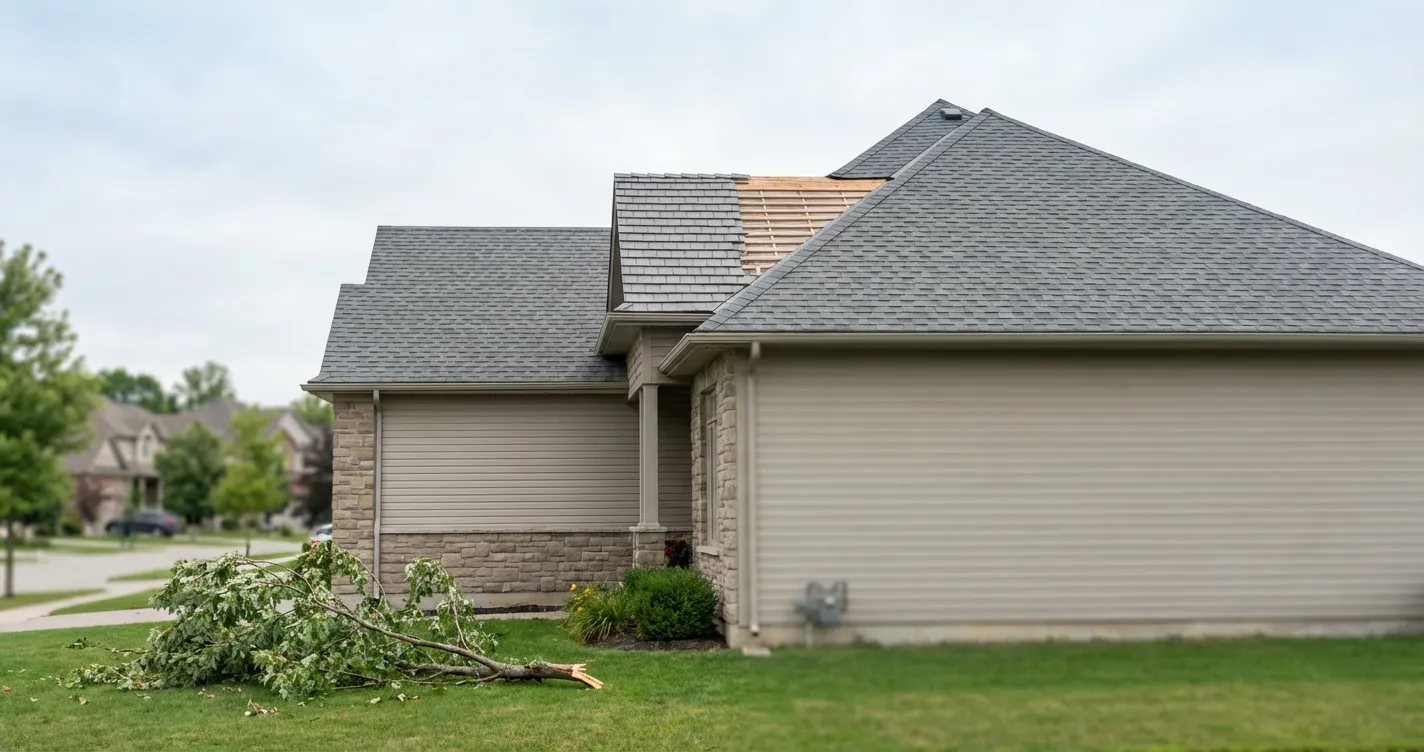
Wind damage. If a windstorm rips shingles off your roof or tears away flashing, that is covered under most policies. Ajax and Durham Region regularly get high winds coming off Lake Ontario, especially along the south side of town near the waterfront. After a major storm, we often see stripped shingles and damaged ridge caps throughout the Westney Road and Harwood Avenue corridors.
Hail damage. Hail storms can crack, dent, or fracture shingles across an entire roof surface. Even if the damage is not immediately obvious from the ground, a professional inspection may reveal enough impact damage to justify a claim.
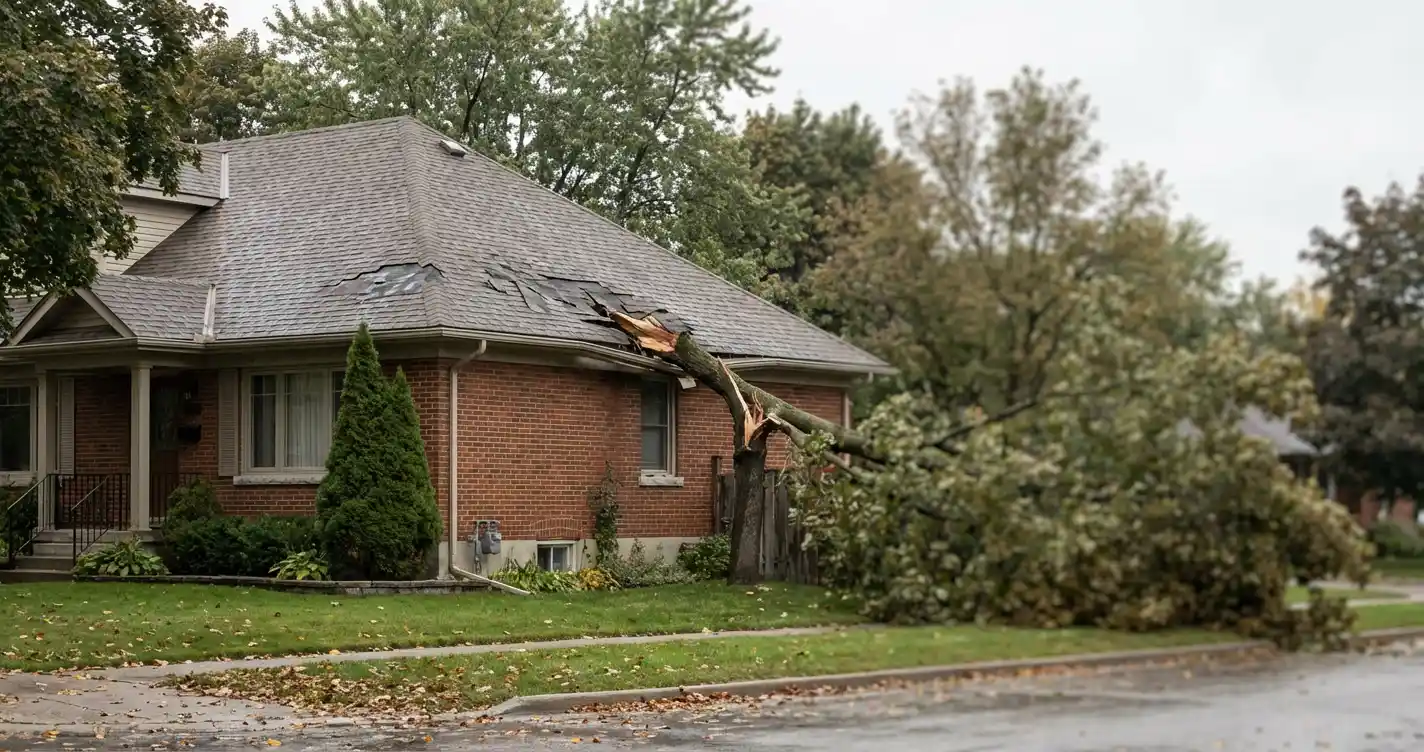
Falling trees and debris. If a tree or large branch falls onto your roof during a storm, the resulting damage and the cost to remove the tree are typically covered.
Lightning strikes. Direct lightning strikes can crack and split roofing materials, damage the underlying structure, and cause fire. This is covered.
Weight of ice and snow. If an unusual ice or snow load causes your roof to sag or collapse, most Ontario policies cover the structural damage. This is particularly relevant in Durham Region, where heavy lake-effect snow accumulates during winter storms.
Water damage from a covered event. If a storm tears a hole in your roof and rain enters your home, the interior water damage is generally covered alongside the roof repair itself.
The key word across all of these is “sudden.” If the damage happened because of a specific event you can point to on a calendar, you are in a strong position.
What Home Insurance Does NOT Cover
This is where claims get denied. Understanding these exclusions before you file saves you time, frustration, and potentially a mark on your insurance record.
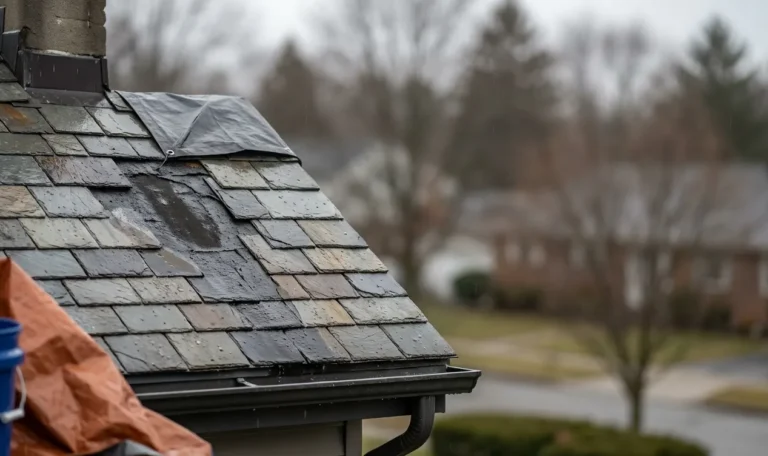
Wear and tear. Asphalt shingles degrade over time. Granule loss, curling, cracking from age, and general material breakdown are considered normal deterioration. Your insurer will not pay to replace a roof that has simply reached the end of its useful life.
Gradual leaks and water damage. If a slow leak has been developing for months or years, causing mould, rot, or staining, insurers classify this as maintenance neglect. The logic is straightforward: you had a responsibility to maintain your roof, and the gradual damage could have been prevented with regular inspections.
Poor maintenance. Clogged gutters that cause ice dams, moss growth that lifts shingles, deteriorated caulking around flashing. If an adjuster determines the damage resulted from lack of maintenance, the claim will likely be denied.
Pre-existing damage. If your roof already had problems before a storm event, the insurer may argue that the storm simply exposed existing issues rather than causing new damage. This is one of the most common reasons for partial claim denials in our experience.
Cosmetic damage. Some policies exclude purely cosmetic damage that does not affect the roof’s function. A few dented shingles from hail may not qualify if the roof still performs properly.
Damage from renovations or construction. If a contractor damaged your roof during other work on your home, that falls under liability, not your homeowner policy.
Will Insurance Cover a 20-Year-Old Roof in Ontario?
This is one of the most common questions we hear from homeowners across Ajax and Durham Region, and the answer depends on your policy type and your insurer.
Replacement cost policies pay the full cost to replace your roof with new materials of similar quality, regardless of the roof’s age, as long as the damage is from a covered event. If you have replacement cost coverage and a storm damages your 20-year-old roof, you should receive enough to install a new one.
Actual cash value (ACV) policies factor in depreciation. A 20-year-old asphalt shingle roof that was rated for 25 years has used up roughly 80% of its expected lifespan. Under an ACV policy, your payout would be reduced by that depreciation, which could mean receiving only 20% of the replacement cost.
Some insurers impose age restrictions. Several Ontario insurance companies will not provide full coverage for roofs over 20 to 25 years old. Others require a professional roof inspection before they will renew your policy once your roof reaches a certain age. If your roof is approaching 20 years, it is worth calling your insurer to understand exactly what your policy covers.
Roof material matters. A metal roof rated for 50 years will be treated differently than asphalt shingles rated for 25 years, even if both are 20 years old. The percentage of useful life consumed affects the depreciation calculation.
Many 1970s to 1990s subdivision homes along Kingston Road, Rossland Road, and throughout Pickering and Whitby have roofs that fall into this age range. If yours is one of them, getting a professional inspection and understanding your policy terms is essential before damage occurs.
How to File a Roof Damage Insurance Claim
The steps you take in the first 24 to 48 hours after discovering damage can make or break your claim. Here is the process we recommend to Ajax homeowners.
Step 1: Document the damage immediately. Take photos and video from the ground and, if safe, from a ladder. Capture the damaged area, any debris (fallen branches, displaced shingles), and any interior damage like water stains, dripping, or wet insulation. Note the date and time of the event, and save any weather alerts or storm warnings from that day.
Step 2: Prevent further damage. Your policy requires you to take reasonable steps to prevent additional damage. This means tarping a hole, placing buckets under active leaks, and moving belongings away from water. Keep receipts for any emergency materials you purchase. Your insurer should reimburse these costs.
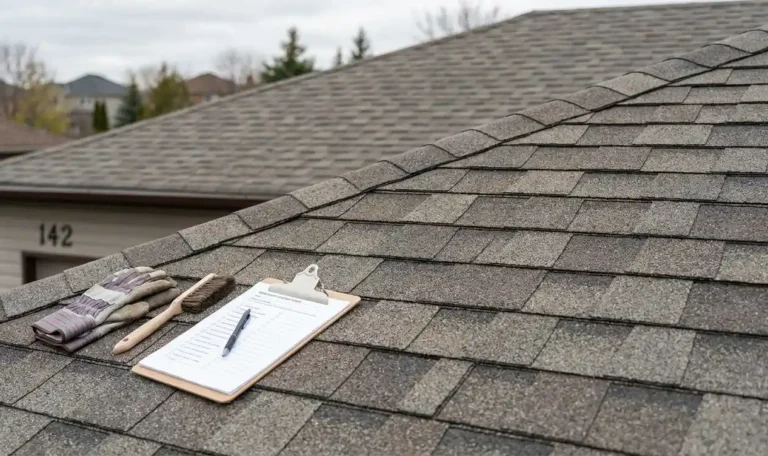
Step 3: Get an independent roof inspection before calling your insurer. This is the step most homeowners skip, and it is the most important one. A professional roofer who inspects the damage before the insurance adjuster arrives can document the full extent of damage, identify issues the adjuster might miss, and provide an independent repair estimate. This gives you a baseline to compare against whatever the adjuster determines.
Step 4: File the claim. Call your insurance company and provide your documentation. Be factual and specific: describe what happened, when it happened, and what damage you have found. Avoid speculating about the cause if you are not certain.
Step 5: Be present for the adjuster visit. When the insurance adjuster inspects your roof, be there. Have your independent inspection report available. Point out all areas of damage. Adjusters are thorough, but they are also working quickly across multiple properties after a storm, and details can be missed.
Step 6: Review the settlement carefully. Compare the insurer’s estimate against your independent inspection. If there is a significant gap, you have grounds to negotiate or request a re-inspection.
Common Mistakes Ajax Homeowners Make with Insurance Claims
We have seen these mistakes cost homeowners thousands of dollars in denied or reduced claims.
Filing a claim for wear and tear. If your roof is 25 years old and leaking because the shingles are at the end of their life, filing an insurance claim is unlikely to succeed. Worse, the denied claim goes on your insurance record and can affect your premiums. Before filing, have a roofer assess whether the damage is storm-related or age-related.
Waiting too long to file. Most Ontario policies require you to report damage promptly, typically within a few days of discovery. Waiting weeks or months raises questions about when the damage actually occurred and whether neglect played a role.
Not documenting the storm event. Your claim is strongest when you can connect the damage to a specific weather event. Save Environment Canada weather alerts, news reports about storms in Durham Region, and any timestamped photos you took before and after.
Letting the adjuster be the only inspector. Insurance adjusters work for the insurance company, not for you. Their job is to accurately assess the claim, but their interests are not identical to yours. An independent inspection gives you leverage and ensures nothing is overlooked.
Making permanent repairs before the adjuster visits. Emergency tarping and water containment are expected and encouraged. But replacing shingles or doing permanent repairs before the adjuster sees the damage can jeopardize your claim. The adjuster needs to see the damage firsthand.
Not understanding their deductible. If your deductible is $1,000 and the repair cost is $1,200, filing a claim for a $200 net payout may not be worth the potential premium increase. We always recommend comparing the repair cost against your deductible before filing.
How Metro Roofing Helps with Insurance Claims
We work with Ajax and Durham Region homeowners throughout the insurance claim process. Here is what that looks like.
Free storm damage inspection. After a storm, we will inspect your roof at no cost and provide a detailed report with photos documenting all damage. This report is designed to support your insurance claim.
Independent repair estimate. We provide a written estimate for the full cost of repairs, which you can present alongside or in contrast to the adjuster’s assessment.
Working with your adjuster. If needed, we can be on-site when the adjuster visits and walk them through the damage we have documented. Having a contractor with 40+ years of experience pointing out damage areas often results in more thorough adjuster assessments.
Supplemental claims. If the adjuster’s initial assessment misses damage that we have documented, we help you file a supplement to get the claim adjusted upward.
Honest assessment. If the damage is not covered (wear and tear, not storm-related), we tell you that upfront. We would rather give you an honest answer than have you file a claim that gets denied and affects your insurance record. We will still provide a fair repair quote so you know your options.
FAQ
Can I file an insurance claim for a roof leak in Ontario?
You can file a claim if the leak resulted from a sudden, accidental event like a storm, falling tree, or hail. If the leak is due to aging materials, gradual deterioration, or poor maintenance, it will not be covered. The distinction comes down to “sudden event” versus “gradual wear.” If you are unsure, get a professional inspection first. A roofer can tell you whether the damage pattern is consistent with storm damage or age-related failure, which helps you decide whether filing a claim makes sense.
How long do I have to file a roof damage insurance claim in Ontario?
Most Ontario insurance policies require you to report damage “as soon as reasonably possible,” which generally means within a few days to a week of discovering it. The sooner you file, the stronger your claim. Delays raise questions about whether the damage is actually from the event you are claiming, or whether it has been developing over time. After any significant storm in Ajax or Durham Region, inspect your roof and document what you find within 24 to 48 hours.
Does insurance cover roof replacement or just repair?
That depends on the extent of the damage and your policy type. If storm damage is severe enough that repair is not practical (for example, a large tree crushing a section of your roof), insurance will cover full replacement. If the damage is localized, insurance covers the repair. Under a replacement cost policy, you receive the full cost of new materials. Under an actual cash value policy, the payout is reduced by depreciation based on your roof’s age.
Should I call my insurance company or a roofer first?
Call a roofer first. Getting an independent inspection and damage report before involving your insurer puts you in a stronger position. You will know the full extent of the damage, have professional documentation, and have a repair estimate to compare against the adjuster’s assessment. At Metro Roofing, our storm damage inspections are free, and the report we provide is specifically designed to support insurance claims.
Ready to Find Out If Your Roof Damage Is Covered?
Start with a free inspection from a team that has been on Ajax rooftops for over 40 years. We will document the damage, give you an honest assessment of whether it is insurance-eligible, and provide a detailed estimate you can use for your claim.
Metro Roofing: 4.9-star rating, 98 Google reviews, 40+ years in business.
Call us at 416-417-5656 or request your free estimate online.