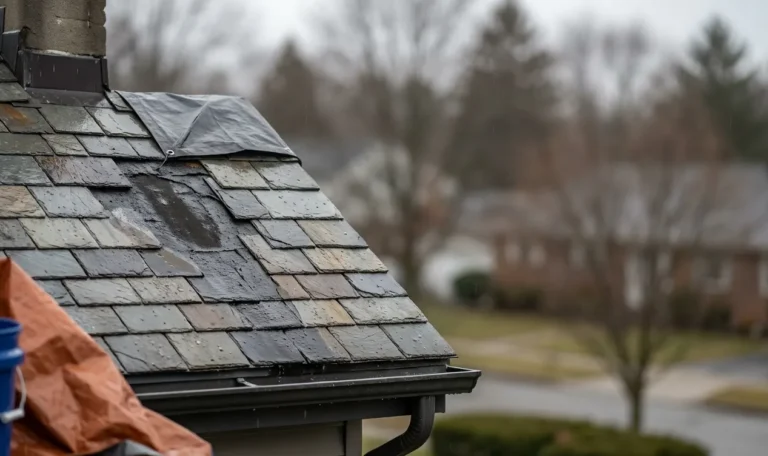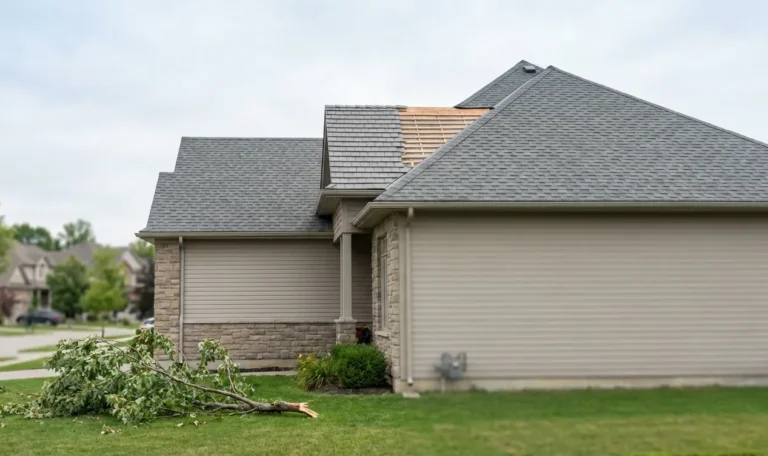
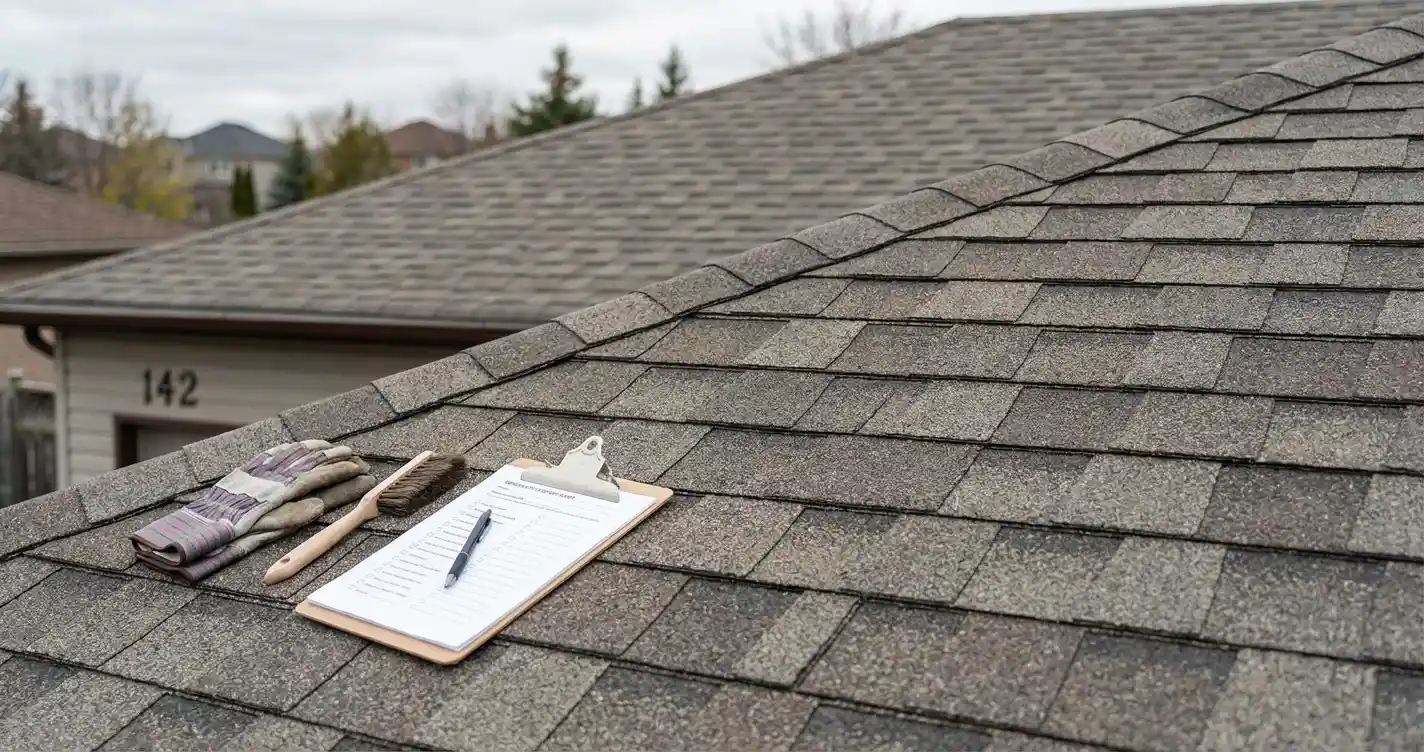
A roof maintenance checklist for Ajax homeowners needs to account for Ontario’s full range of weather: freeze-thaw cycles from November through April, heavy snow loads, ice damming along the eaves, intense summer heat, and wind-driven rain off Lake Ontario. Each season puts different stress on your roofing system, and the maintenance tasks that matter most change with the calendar.
A well-maintained asphalt shingle roof in Durham Region can last 25 to 30 years. A neglected one may fail in 15 to 20. The difference is not luck. It is consistent, seasonal attention to the details that catch small problems before they become expensive repairs. After 40+ years of repairing and replacing roofs across Ajax, Pickering, Whitby, and Oshawa, we have built this checklist around the specific issues that affect homes in our area.
Spring Checklist (April to May)
Spring is the most important inspection season for Ajax homeowners. Your roof just survived months of snow, ice, and freeze-thaw cycling. Damage that developed over winter may not be obvious from the ground, but it is there.
Inspect for winter damage. From the ground or a ladder (do not walk on the roof if it is still wet from snowmelt), look for:
- Missing, cracked, or lifted shingles
- Damaged or displaced ridge cap shingles
- Flashing that has pulled away from the chimney, walls, or vent pipes
- Sagging or uneven areas on the roof surface
- Visible nail pops (nails pushing up through shingles)
Check for ice dam damage. Ice dams are one of the most common causes of roof damage in Ajax and along the Lake Ontario waterfront. After winter, look for:
- Damaged or missing shingles along the eaves (the bottom edge of the roof)
- Water stains on interior walls or ceilings near exterior walls on the upper floor
- Peeling paint or swelling on soffits and fascia
- Gaps in the drip edge
If you see signs of ice dam damage, schedule a professional inspection. The visible damage on the surface often hides more significant problems underneath, including wet sheathing and compressed insulation.
Clear debris from the roof surface. Branches, leaves, and accumulated organic material trap moisture against the shingles and accelerate deterioration. Pay attention to valleys (where two roof slopes meet) and areas behind chimneys where debris collects.
Inspect flashing. Check all flashing points: chimney, vent pipes, skylights, exhaust vents, and wall-to-roof transitions. Look for rust, gaps, lifted edges, cracked sealant, or missing caulk. Flashing failure is the number one cause of leaks we see across Durham Region. If the sealant looks dried out or cracked, it needs to be re-sealed.
Check the attic. Go inside the attic and look for daylight coming through the roof deck, water stains on the underside of the sheathing, damp or compressed insulation, and any signs of mould or mildew. Musty odours indicate moisture problems even if you cannot see visible water damage.
Schedule a professional roof inspection. A spring inspection catches winter damage early and sets you up for the rest of the year. Professional inspections cover areas homeowners cannot safely access, including walking the roof surface, checking under shingles at vulnerable points, and inspecting the full attic space.
Summer Checklist (June to August)
Summer in Ajax brings heat, UV exposure, humidity, and occasional severe thunderstorms. The maintenance focus shifts from winter damage recovery to heat management and storm preparedness.
Check attic ventilation. Proper attic ventilation is critical during Ontario summers. Without adequate airflow, attic temperatures can exceed 65 degrees Celsius, which bakes shingles from underneath and dramatically shortens their lifespan. Signs of poor ventilation include:
- Extremely hot upstairs rooms compared to the rest of the house
- Shingles that are curling, cupping, or showing premature granule loss
- Moisture or condensation in the attic during humid weather
- Ice dams in the previous winter (poor ventilation is a primary cause)
Your attic needs both intake vents (usually at the soffits) and exhaust vents (ridge vents, turbines, or static vents near the peak). Make sure none are blocked by insulation, debris, or storage items.
Trim overhanging branches. Trees with branches hanging over your roof are a maintenance issue year-round, but summer is the best time to address them. Overhanging branches drop leaves and organic debris onto the roof, scrape shingles during wind, provide a bridge for squirrels and raccoons to access the roof, and create shade that promotes moss and algae growth. Trim branches back to at least 2 metres from the roof surface. For large trees, hire an arborist rather than risking ladder work near power lines.
Inspect after storms. Summer thunderstorms in Durham Region can bring high winds, hail, and heavy rain. After any significant storm, do a ground-level visual inspection. Look for shingle debris in the yard or gutters, displaced ridge cap shingles, damaged flashing, and any new debris on the roof. If you suspect hail damage, schedule a professional inspection. Hail impact is often invisible from the ground but can fracture the shingle mat and accelerate failure. For storm damage concerns, see our storm damage roof repair page.
Look for moss and algae. The north-facing and shaded sides of your roof are most prone to moss and algae growth in humid Ontario summers. Dark streaks (algae) are primarily cosmetic but can affect resale value. Moss is more serious because it lifts shingle edges and traps moisture. Small patches can be treated with a moss-killing solution applied with a garden sprayer. Do not pressure wash your roof. High-pressure water strips granules and damages shingles.
Check caulking and sealant. Summer heat softens and degrades sealant around flashing, vents, and pipe boots. Inspect these areas and re-caulk with a roofing-grade sealant where needed.
Fall Checklist (September to November)
Fall maintenance is about preparing your roof for winter. The work you do in September and October directly affects how your roof handles snow, ice, and freeze-thaw cycling from December through March.
Clean the gutters. This is the single most impactful fall maintenance task. Clogged gutters cause water to back up under the roof edge, contributing to ice dams in winter and fascia rot year-round. Clean gutters at least twice in fall: once in early October as leaves begin to drop and again in late November after trees are bare. For homes along tree-lined streets throughout Ajax’s older neighbourhoods near Kingston Road and Harwood Avenue, you may need a third cleaning in between. For regular gutter maintenance, see our gutter cleaning service.
Inspect and replace damaged shingles. Any shingles that are cracked, curled, missing, or have lost significant granule coverage should be replaced before winter. Ontario’s freeze-thaw cycles exploit every weakness. A small crack in October becomes a leak path in January when ice expands inside it.
Check and seal flashing. Re-inspect all flashing points. Apply fresh roofing sealant where needed. This is especially important around chimneys, which expand and contract with temperature changes and commonly develop gaps between the flashing and the masonry.
Schedule a professional pre-winter inspection. If you did not get a spring inspection, fall is your last chance to catch problems before winter makes them worse. A professional can identify issues like marginal flashing, early-stage shingle deterioration, and ventilation deficiencies that could lead to ice dams.
Inspect attic insulation. Adequate attic insulation does two things: it keeps your home warm and it prevents heat from escaping through the roof. Heat escaping through the roof is the primary cause of ice dams. The Ontario Building Code recommends R-60 insulation for attic spaces in new construction. Many older Ajax homes, particularly those built in the 1970s through 1990s, have R-30 or less. Adding insulation in the fall is one of the most effective ways to prevent ice dam damage in winter.
Trim any remaining overhanging branches. Before winter storms arrive, make sure no branches are positioned to fall on your roof during ice storms or heavy snow.
Winter Checklist (December to March)
Winter roof maintenance in Ajax is primarily about monitoring and prevention. Do not attempt to walk on or work on your roof when it is covered in snow or ice.
Monitor for ice dams. Ice dams appear as thick ridges of ice along the eaves, often accompanied by icicles. If you see ice dams forming, it means warm air is escaping through the attic and melting snow on the upper roof. The meltwater runs down and refreezes at the cold eave. Watch for water stains on upper-floor ceilings or walls near exterior walls, as these indicate the ice dam has backed water under the shingles.
Manage snow loads. Most Ajax homes are designed to handle typical Ontario snow loads. However, after heavy snowfalls or successive storms where snow accumulates without melting, the weight can stress the roof structure. Signs of excessive snow load include doors that stick or will not close properly, cracking sounds from the ceiling or walls, and visible sagging of the roof ridge. If you are concerned about snow load, use a roof rake (a long-handled tool) to remove snow from the eaves while standing on the ground. Do not climb on a snowy roof.
Check the attic periodically. On cold days, go into the attic and look for frost on the underside of the roof deck. Frost indicates warm, moist air from the living space is reaching the attic, which means either an insulation gap, an air leak, or insufficient ventilation. This moisture contributes to ice dams and can cause sheathing rot over time.
Watch for vent blockages. Snow can cover and block ridge vents, turbine vents, and soffit vents. Blocked vents disrupt attic airflow and worsen ice dam formation. After heavy snowfall, check that your exhaust vents are not buried. Soffit vents can be blocked by ice buildup, which is harder to spot but equally problematic.
Do not chip ice off your roof. It is tempting to try to remove ice dams by chipping or hammering, but this almost always damages the shingles underneath. If ice dams are causing active leaks, call a professional who can safely remove them using steam or controlled methods.
DIY Inspection vs. Professional Inspection
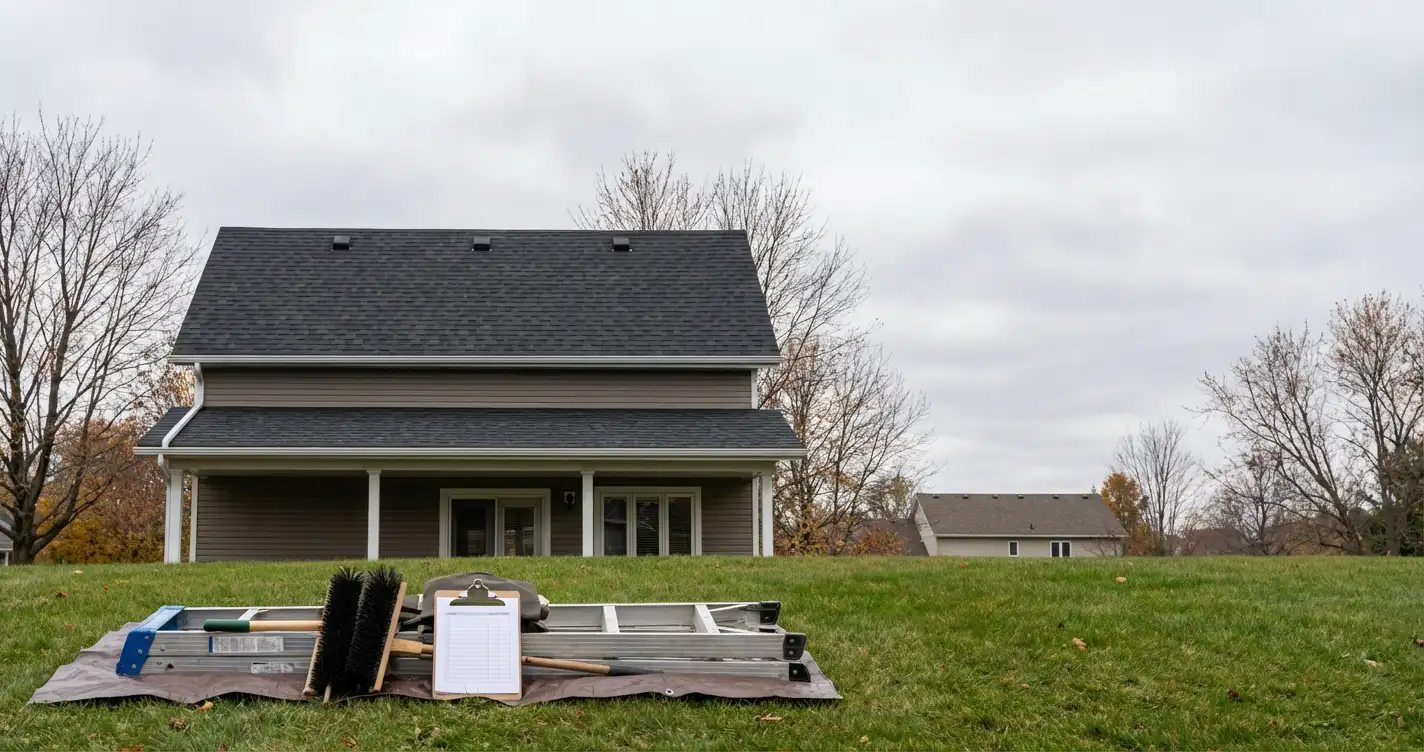
Some maintenance tasks are safe and appropriate for homeowners. Others require a professional.
What you can do yourself:
- Ground-level visual inspections after storms
- Gutter cleaning (if you are comfortable on a ladder)
- Attic checks for water stains, daylight, frost, and insulation condition
- Clearing debris from valleys and low-slope areas accessible from a ladder
- Monitoring for ice dams from the ground
- Trimming small branches away from the roof
What requires a professional:
- Walking the roof surface to inspect shingles, flashing, and penetrations
- Replacing damaged shingles or flashing
- Assessing structural issues (sagging, soft spots, sheathing damage)
- Evaluating ventilation system performance
- Identifying causes of roof deterioration that are not visible from the ground
- Any work on a steep-slope, multi-storey, or damaged roof
We recommend at least one professional inspection per year, ideally in spring after winter stress. Homeowners with roofs over 15 years old should consider inspections twice per year (spring and fall).
How Maintenance Extends Your Roof’s Life
The numbers make a strong case. A standard asphalt shingle roof installed in Ajax has a manufacturer-rated lifespan of 20 to 30 years depending on the product quality. In practice, here is what we see.
Neglected roofs (no inspections, no gutter cleaning, no maintenance): 15 to 20 years before replacement is needed. These roofs develop small problems that compound. A small flashing gap becomes a leak. The leak causes sheathing rot. The rot spreads. By the time the homeowner notices, the repair scope has expanded well beyond the original problem.
Maintained roofs (annual inspection, regular gutter cleaning, prompt small repairs): 25 to 30 years, sometimes longer. These roofs have the same small problems, but they get caught and fixed early. A $200 flashing reseal in year 10 prevents a $2,000 sheathing replacement in year 14.
The math is straightforward. An annual professional inspection costs $150 to $300. A minor repair caught early costs $300 to $800. A full roof replacement that could have been delayed by 5 to 10 years with maintenance costs $8,000 to $15,000 or more. Regular roof maintenance is not an expense. It is an investment that pays for itself many times over.
FAQ
How often should I have my roof inspected in Ajax?
At minimum, once per year in spring after the winter season. If your roof is over 15 years old, add a fall inspection to catch issues before winter. You should also schedule an inspection after any major storm that could have caused damage. Between professional inspections, do your own ground-level visual checks after storms and seasonal gutter cleanings.
Can I walk on my roof to inspect it myself?
We do not recommend it for most homeowners. Walking on a roof without proper footwear, safety harnesses, and experience risks both personal injury and roof damage. Incorrect foot placement can crack shingles, break sealant bonds, and damage flashing. A ground-level inspection with binoculars, combined with an attic check from inside, gives you useful information without the safety risk. Leave the roof walking to professionals with proper equipment.
What is the most important maintenance task to prevent roof leaks?
Keeping your gutters clean. Clogged gutters are involved in more roof problems than most homeowners realize. In winter, they contribute directly to ice dam formation, which is the leading cause of roof leaks in Ajax and Durham Region. In other seasons, backed-up water pushes under the roof edge and causes fascia rot, soffit damage, and shingle deterioration at the eaves. Clean your gutters at least twice per year (late spring and late fall), and more often if you have overhanging trees.
Does Metro Roofing offer annual maintenance inspections?
Yes. We offer professional roof inspections in Ajax that cover the full roof system: shingles, flashing, penetrations, ventilation, gutters, and attic space. After the inspection, we provide a written report detailing any issues found, their severity, and recommended actions. This report serves as a maintenance roadmap and also documents your roof’s condition for insurance purposes.
Keep Your Roof in Top Shape Year-Round
Consistent maintenance is the simplest way to avoid emergency repairs and extend the life of your roof. Whether you need a professional inspection, gutter cleaning, or a small repair before it becomes a big one, Metro Roofing has been taking care of Ajax roofs for over 40 years.
Metro Roofing: 4.9-star rating, 98 Google reviews, 40+ years in business.
Call us at 416-417-5656 or request your free estimate online.