Water dripping on equipment, stained ceiling tiles, or puddles after rain mean you have a big problem. Commercial roof leaks can cost thousands of dollars in damage. Finding the leak fast can save you from expensive repairs.
Here is the tricky part. The spot where you see water inside is usually not where the leak starts. Water can travel 20 to 30 feet or more along your roof before it drips inside.
This guide shows you how to find a leak on a commercial roof. Whether you run a warehouse, office, or store, we can help. Metro Roofing has fixed roofs in Ajax and the Greater Toronto Area for over 35 years. We will show you how to check for leaks, where leaks happen most, and when you need to call experts.
How Do You Find a Leak on a Commercial Roof?
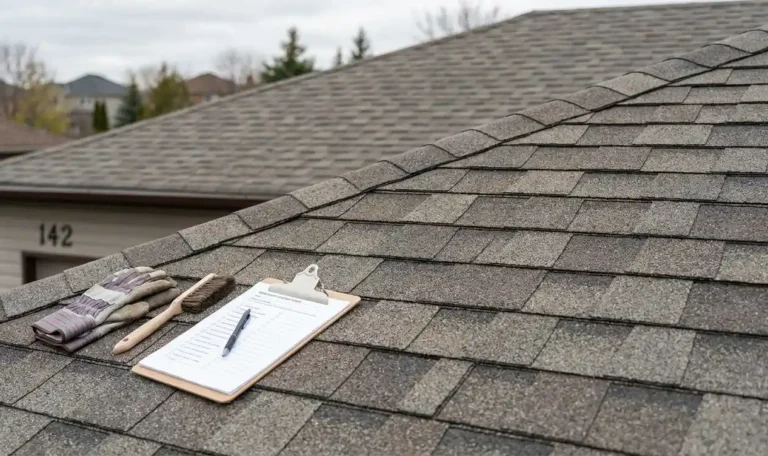
Start inside by taking photos where you see water. Then look up and sideways to follow where the water came from. On the roof, check 10 to 20 feet higher than where you saw water inside. Look at HVAC units, vents, and drains first. Also check where seams come apart and where water stands.
For flat roofs, look for bubbles in the roof cover, open cracks, or broken metal pieces around edges. Metal roofs usually leak where screws go in or where panels meet.
Safety note: Never walk on a wet commercial roof by yourself. Wet roofs are very slippery and you could fall. Always bring another person. Professional roof inspectors use special cameras and water detectors to find leaks you cannot see.
Have a leak right now? Get same-day emergency commercial roof repair in Ajax to stop more damage.
Safety First: When to Check and When to Call Experts
Before you climb on your roof, know that checking a commercial roof is dangerous. You need the right safety gear and training.
Never walk on wet roofs. Roof covers like TPO, EPDM, and PVC get very slippery when wet. Metal roofs are just as slippery. Even trained roof workers are very careful on wet roofs.
You need this safety gear:
- Non-slip boots
- Safety harness that clips to the roof
- Another person to help you
- Wait at least 24 hours after rain to go on the roof
OSHA says you must use fall protection for any work more than 6 feet high.1 This is the law, not just a good idea. It keeps workers from getting hurt or killed.
Call experts right away if you have:
- Lots of water coming in and hurting your business
- A sagging roof or weak spots
- A roof older than 20 years
- Any steep parts on your building
- Work that needs to be done near electrical boxes
What you can do safely without climbing on the roof: Take pictures inside, look at your building from the ground, and use binoculars to see the roof from nearby buildings. These ways help you learn things without getting hurt.
We have seen building managers fall and go to the hospital after walking on wet roofs. The danger is real. No roof check is worth getting hurt. If you need professional roof repair in Ajax, trained workers have the right safety gear and know-how.
Start Inside: Write Down What You See
Once you know it is safe, writing down what you see inside helps find the leak and gives good information to roof repair workers.
Take photos and videos of all ceiling stains. Measure how far the leak is from walls and corners. Write down which way the water flows. This shows you where the water came from before you could see it.
Check all floors if your building has more than one. Water often goes through floors before you can see it below. A leak on the second floor might start at the roof but travel through the third floor first.
Figure out when the leak happens:
- Leaks during rain mean water is getting in right away
- Leaks 2 to 3 hours after rain stops mean water is pooling on the roof
- Leaks only when wind blows rain mean the metal edges are broken
Look for other clues besides water you can see. Bad smells mean water is hiding in walls or insulation. Stained insulation in ceilings shows water was there even if it is not dripping now. Rust stains on metal parts show water has been there a long time.
Draw a simple picture showing where the leak is compared to other things in your building. Write down where HVAC units, roof equipment, or building parts are that you can see from inside. This helps workers know where to look when they get on the roof.
From our work, leaks that show up 2 to 3 hours after rain stops almost always mean water is pooling on the roof, not coming right through a hole. Knowing when the leak happens helps us find what is wrong.
Check From the Ground: What You Can See Without Climbing Up
You can learn a lot without ever going on the roof. Looking from the ground keeps you safe while still helping you find problems.
Look at roof edges and walls for damage you can see. Look for missing metal pieces, cracks, or places where metal pulled away from brick. These edge problems cause leaks and you can often see them from the ground.
Check gutters and drains during or right after rain. Blocked drains cause water to pool on the roof, which makes leaks worse. If water is not flowing right through your drains, you found a big problem.
Look for low spots you can see from the ground. Even small dips mean the insulation is soaked with water or the roof structure is weak. These spots collect water and cause more leaks.
Walk around your building and look for water stains on outside walls. Stains going down the wall show which part of the roof has water spilling over or leaking through. These stains help find problem spots before workers go up.
Use binoculars to look at equipment on the roof, vent pipes, and fans for damage or broken seals. You can often see missing caulk, broken parts, or equipment that moved from where it should be.
Where Leaks Happen Most (If You Can Get on the Roof Safely)
If you can get on the roof safely with the right gear, check these spots where leaks happen most often.
Most commercial roof leaks happen where things go through the roof. HVAC units, vent pipes, electrical boxes, and satellite dishes all make holes in your roof. Each hole can leak if the caulk cracks or the metal pieces come loose.
Roof seams need a close look. Check for cracks where glue failed, bubbles in the roof cover, or spots where the roof pulled apart. Older rubber roofs often have seam problems as the glue gets old.
Roof drains are very important to check. Look for trash blocking water flow, broken drain parts that let water leak around the drain, loose rings, and missing caulk. One clogged drain can make water pool across a big area and cause many leaks.
Walls and edge metal break in ways we can predict. Look for metal caps that pulled away from the wall, missing bars that should hold the roof edges down, and rusted metal that does not protect the wall-to-roof joint anymore.
Places where water stands need extra attention. Any spot where water sits for more than 48 hours after rain will have roof damage faster. These spots get leaks much quicker than parts of the roof that drain right.
| Where Leaks Happen | What You Will See | Why It Happens |
|---|---|---|
| HVAC Units | Pulled-apart metal, cracked caulk | Hot and cold weather, old age |
| Roof Seams | Open cracks, bubbles, peeling | Glue failed, bad install |
| Roof Drains | Trash, rust, loose rings | Clogged, rust, settling |
| Wall Edges | Missing metal caps, rust stains | Wind damage, rust |
| Standing Water Spots | Sitting water, green slime | Bad drains, sagging roof |
Found damage but not sure how bad it is? Schedule a professional roof inspection in Ajax to find out what you need and how much it costs.
Special Tools to Find Leaks: When You Cannot See the Problem
Sometimes you cannot find where the leak starts even after looking carefully. This is when special tools help.
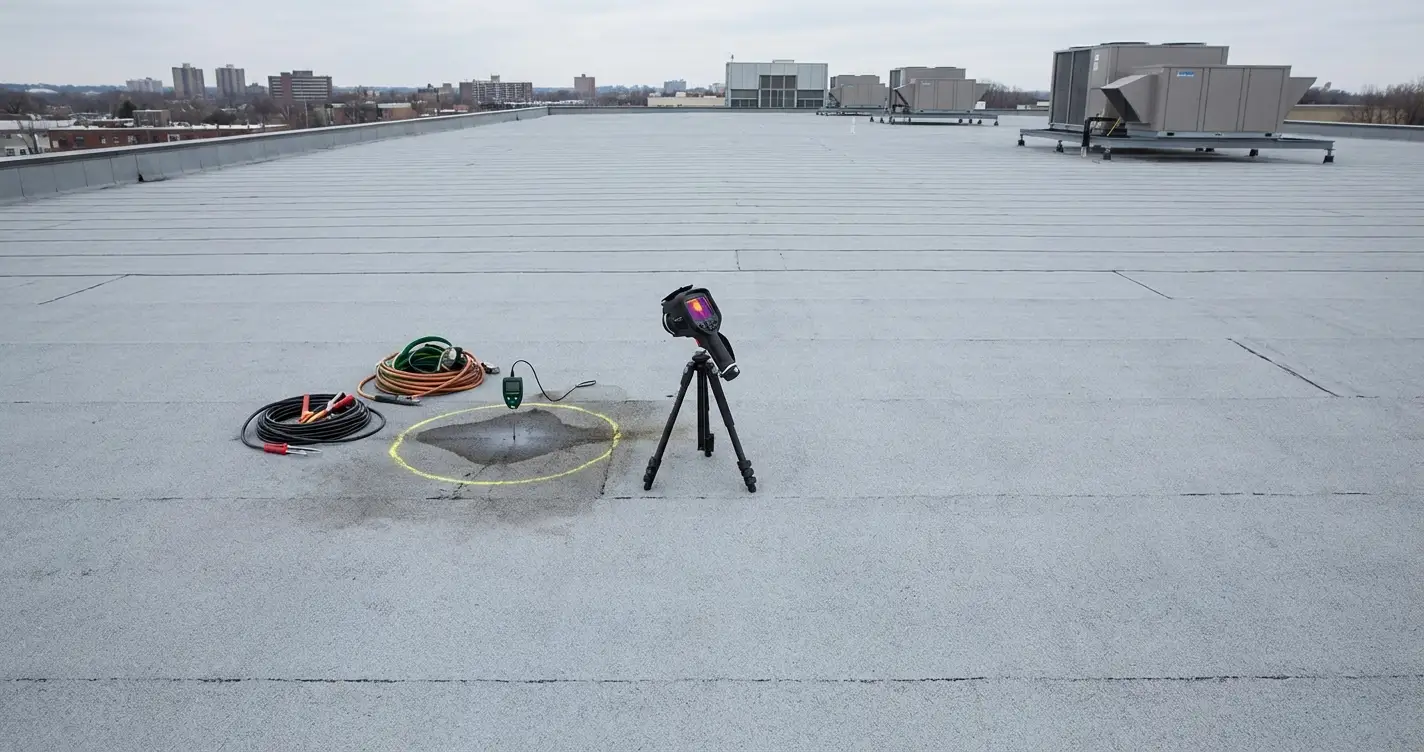
Heat cameras find temperature differences between wet and dry parts. Wet insulation holds heat differently than dry insulation. This makes patterns that special cameras can see. These cameras show exactly where water got into your roof without cutting anything open.
Moisture meters measure how much water is in different layers of your roof. Many roof companies require this test for warranty work because it shows exactly how wet each part is.
Electric testers find wet spots by checking how electricity flows. Wet insulation moves electricity differently than dry insulation. Workers use this to map where water went across big roofs.
Water tests put water on small sections of roof. Workers do this before fixing things to make sure the repair will work. Water tests prove where the leak is by copying what happens when it rains.
You need these tools for big buildings, when you have many possible leak spots, for insurance paperwork, and for warranty claims. Paying for these tests often saves money compared to guessing and fixing the wrong thing.
We once checked a 40,000 square foot warehouse. The heat camera found water 60 feet away from where it was dripping inside. The water traveled along beams before finding a hole to drip through. Without the camera, we would have fixed the wrong spot.
What to Do After Looking for the Leak
Whether you found damage or not, you need a plan for what comes next.
If you found clear damage: Take lots of photos and measure everything. Write down exactly where it is, what kind of damage you see, and any patterns. Do not try quick fixes that break your warranty. Putting tar or caulk on top of the roof cover often makes it harder and more expensive for pros to fix later.
If you cannot find where it starts: This is normal. Many commercial roof leaks need special tools to find. Commercial roofs are complicated and water can travel in ways you cannot see.
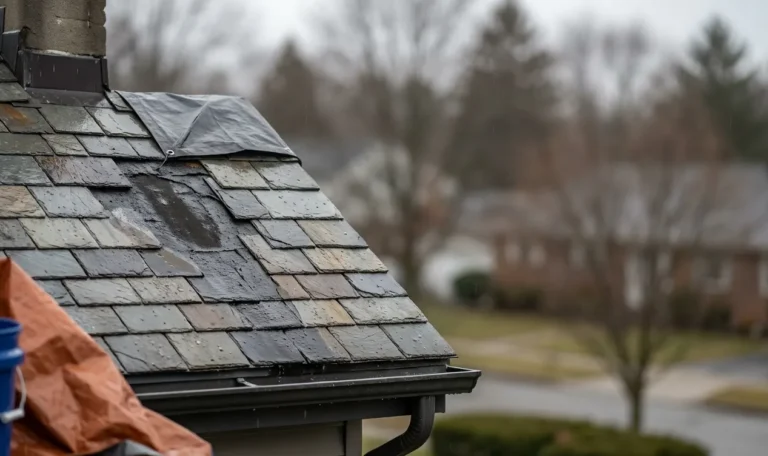
Protect things inside right away. Put down tarps or plastic sheets to catch water. Move equipment, products, and important things away from wet spots. Take photos of all damage for insurance. Put buckets under drips to keep water from spreading.
Know that time matters. Most commercial roof leaks get worse fast. A small crack can get much bigger during one freeze and thaw as water gets in, freezes, and pushes the crack wider.
Get quotes from different companies, but care more about fast help than cheap prices. Water damage gets bad quickly. Every day you wait lets more water soak into insulation, damage ceilings and walls, and hurt your building and what is inside.
Metro Roofing gets to you within 2 hours for emergencies because we know how fast water damage spreads in commercial buildings. Getting help right away instead of waiting a week can save you thousands of dollars. Find a professional roof leak contractor immediately in you area.
Whether you found the leak or need special tools, our roof experts can help. We offer same-day emergency help for active leaks and complete checks to find hidden water problems. Get a free commercial roof assessment in Ajax and protect your building from expensive water damage.
References
- U.S. Department of Labor, Occupational Safety and Health Administration. “1926.501 – Duty to have fall protection.” Code of Federal Regulations, Title 29, Part 1926, Subpart M. https://www.osha.gov/laws-regs/regulations/standardnumber/1926/1926.501