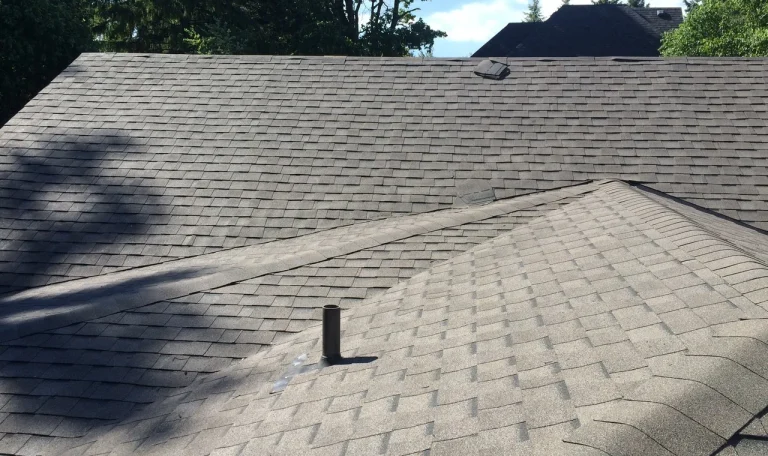

Table of Content
Have you noticed curling shingles, dark streaks, or missing granules on your Ajax roof? You’re right to be concerned. Roofs in Ajax break down faster than in many other Ontario areas. This happens because of our freeze-thaw cycles, moisture from the lake, and big temperature changes. Most homeowners don’t think about their roof until water drips through the ceiling. By then, a small problem has often become a costly emergency.
This guide explains what causes roof damage in Ajax. You’ll learn how to spot early warning signs. You’ll also learn what you can do to make your roof last longer before small issues become expensive replacements. We’ll show you which weather patterns cause the most damage locally. You’ll learn how to check your roof’s condition. And you’ll know when it’s time to call a professional instead of waiting.
What Causes the Worst Roof Deterioration in Ajax?
The worst roof damage in Ajax comes from freeze-thaw cycles during winter and early spring. When temperatures go above and below freezing (sometimes several times per day) water gets into small cracks. Then it freezes. When water freezes, it expands. This expansion forces shingles apart. This creates openings where more moisture can get in.
Ice dams make the problem worse by trapping water on the roof surface. Ajax sits close to Lake Ontario. The lake makes these cycles worse with higher humidity and lake-effect rain and snow. Other major problems include UV damage during hot summers, wind damage from exposed locations, and moss growth in shaded areas with poor drainage.
Based on our experience serving Ajax and the Greater Toronto Area, most roofs show serious damage after 15 to 20 years. Severe winters can speed up this damage.
Not sure if your roof shows early damage? Schedule a free roof inspection with our Ajax roofing team. Get an expert assessment before small problems become expensive repairs.
Why Ajax’s Climate Hurts Your Roof Faster
Understanding why Ajax’s climate is so hard on roofs helps explain why your roof might be aging faster than expected. Several weather factors work together to shorten your roof’s life.
Ajax gets more freeze-thaw cycles than many other Ontario communities. Other regions with more stable weather might see fewer cycles per winter. Ajax gets these temperature swings throughout the cold months. Each cycle lets water get into small gaps. The water freezes overnight. This expands the opening. This creates bigger weak spots for the next storm.
Our location near Lake Ontario plays a major role in roof damage. The lake creates higher humidity levels compared to inland communities. This means more moisture can get into roofing materials. Lake-effect snow and sudden temperature changes from weather systems moving across the water add extra stress to roofing systems.
Summer brings its own challenges. UV rays and heat stress shingles. This is especially true on south-facing slopes that get direct sunlight all day. The combination of winter moisture damage and summer heat creates a year-round attack on roofing materials.
Wind affects many Ajax properties. This is especially true in newer subdivisions where large trees haven’t grown yet. Exposed roofs face stronger wind forces that can loosen or remove shingles over time.
In our 40+ years serving Ajax homeowners, Metro Roofing has seen consistent patterns in roof damage. The worst damage usually appears on north-facing slopes where ice dams form repeatedly. South-facing slopes get hit hard by UV damage. This combination is unique to our local climate.
The 5 Most Common Types of Roof Damage in Ajax
Knowing what damage looks like helps you check your own roof’s condition. It also helps you understand how urgent any issues are. Here are the five most common types of damage we see:
1. Shingle Curling and Cupping
Shingle edges that curl upward or cup downward show advanced weathering. This happens when shingles lose their flexibility. Repeated heating and cooling cycles cause this. Moisture absorption makes it worse. Curled shingles let wind-driven rain get underneath. This creates leak pathways. When you see widespread curling across large roof sections, replacement usually costs less than repair.
2. Granule Loss Creating Bare Spots
Asphalt shingles have a protective granule layer. This layer shields the asphalt underneath from UV damage. As roofs age, granules wash away during rain. They collect in gutters. A little granule loss is normal aging. But bare spots show a different story. When you can see the black asphalt backing, the shingle has lost its protective layer. These areas break down quickly once exposed.
3. Cracked or Missing Shingles
Temperature changes cause shingles to expand and contract repeatedly. Over years, this creates cracks. Older shingles that have lost flexibility crack more easily. Wind events can then catch these weak shingles. They tear them partially or completely off the roof. Even a few missing shingles create spots where water can get in. This can damage roof decking and attic insulation.
4. Moss and Algae Growth
Dark streaks on roofs are usually algae growth. This is mostly a cosmetic issue in early stages. Moss growth is more serious. Moss holds moisture against the roof surface. Its roots can lift shingle edges. Moss usually means poor drainage or too much shade. While not an immediate emergency, heavy moss growth speeds up shingle damage. You should address it.
5. Flashing Problems Around Chimneys, Vents, and Valleys
Flashing is the metal material that seals roof transitions and openings. These areas are weak because they involve multiple materials meeting at angles. Flashing can separate from the roof surface. It can develop rust holes. The sealant can dry out and crack. Flashing failures cause many roof leaks. Yet they’re often hidden from view during a casual inspection from the ground.
When we inspect Ajax homes built between 2005 and 2010, we often find something. Original roofing systems are now reaching the age where multiple damage types appear at once. This is when small issues get worse quickly if not addressed.
How Long Does a Roof Last in Ajax? (Lifespan by Material)
Understanding realistic roof lifespans in our local climate helps you plan. You can time your replacement better. You can budget better too. Manufacturers provide warranty periods based on ideal conditions. Ajax’s harsh climate usually reduces these expected lifespans.
Based on common manufacturer warranty periods and our experience with local roof performance:
Asphalt Shingles: 15 to 20 Years in Ajax
Standard three-tab asphalt shingles usually come with manufacturer warranties of 20 to 25 years. However, in Ajax conditions, most homeowners see serious damage around the 15 to 20 year mark. The difference comes from our freeze-thaw cycles, UV exposure, and moisture levels. These exceed the controlled conditions used for product testing.
Architectural Shingles: 20 to 25 Years
Thicker architectural shingles with better durability last 20 to 25 years in Ajax when properly maintained. These shingles have better wind resistance. They have more granule protection. This helps them handle our climate better than standard shingles. Regular maintenance and proper attic airflow can help architectural shingles reach the upper end of this range.
Metal Roofing: 40 to 50 Years
Metal roofing has become more popular in Ajax because it lasts longer in harsh climates. Metal roofs handle freeze-thaw cycles, wind, and UV exposure much better than asphalt products. While initial installation costs are higher, the long lifespan and low maintenance make metal roofing cost-effective over time.
Factors That Shorten Lifespan Locally
Several factors can reduce roof lifespan below these averages. Poor attic airflow traps heat and moisture. This cooks shingles from underneath. Not enough insulation allows heat loss. This contributes to ice dam formation. Installation quality also matters a lot. Shortcuts during installation create early failure points. North-facing sections that stay wet longer and south-facing sections with maximum sun exposure often break down faster than other roof areas.
| Roofing Material | Typical Warranty Period | Ajax Reality | Notes |
| 3-Tab Asphalt Shingles | 20 to 25 years | 15 to 20 years | Most common residential choice |
| Architectural Shingles | 25 to 30 years | 20 to 25 years | Better wind/weather resistance |
| Metal Roofing | 50+ years | 40 to 50 years | Growing popularity for durability |
If your roof is approaching or past these typical lifespans, it may be time to consider a professional roof replacement in Ajax. Do this before minor damage becomes extensive water damage.Want to know exactly how much life your current roof has left? Call our Ajax roofing team at 416-417-5656 for a professional assessment. We’ll give you accurate replacement timing and budget planning information. give you accurate replacement timing and budget planning information.
Early Warning Signs Your Ajax Roof Needs Inspection
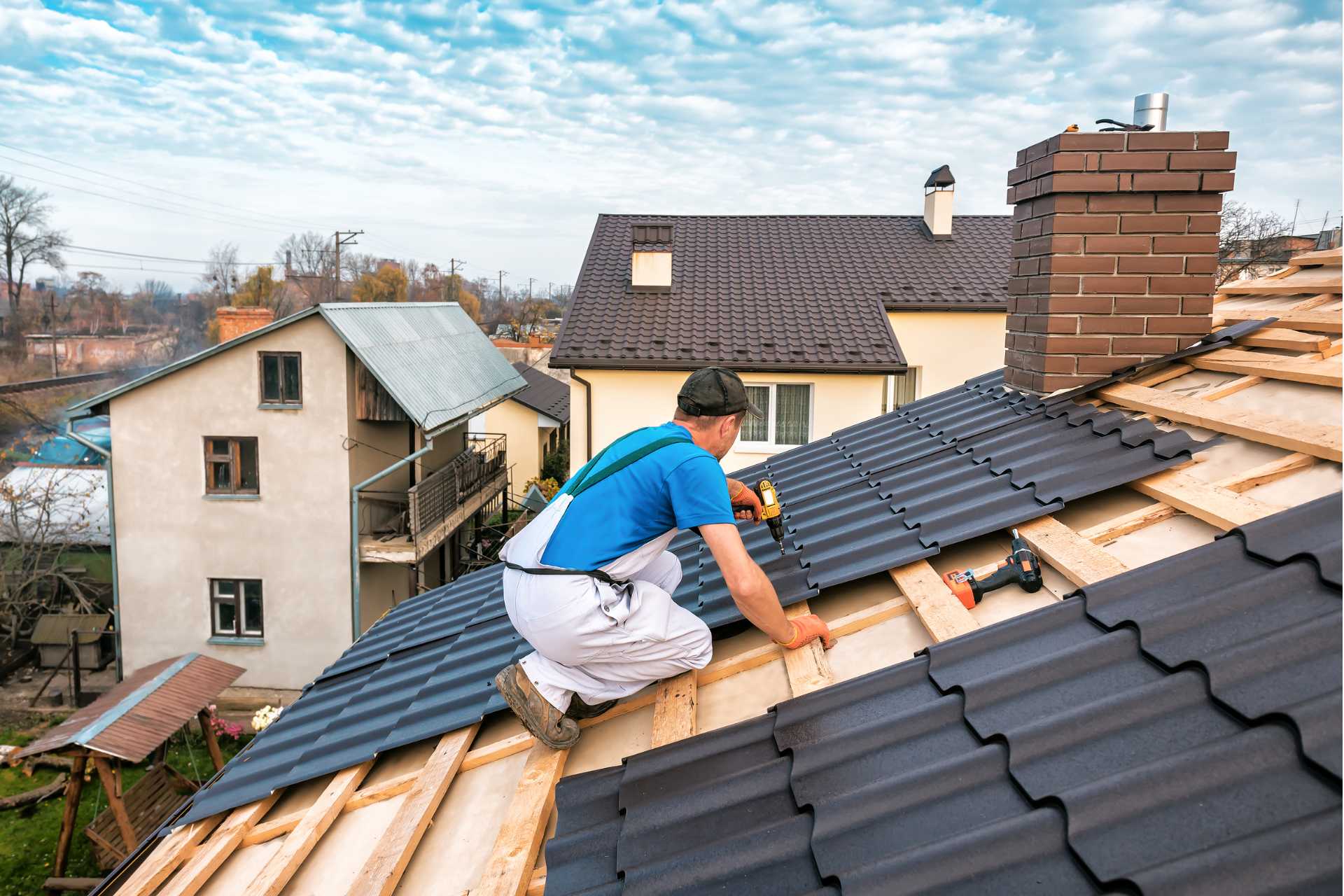
Catching damage early saves thousands of dollars. It allows repairs before replacement becomes necessary. Here are the warning signs every Ajax homeowner should watch for.
Interior Warning Signs
Water stains on ceilings or walls show obvious signs of roof leaks. But they often appear well after the leak begins. Check your attic regularly for moisture, mold growth, or daylight visible through the roof boards. These signs show active water getting in. This needs immediate attention. Musty odors in upper floors or attic spaces can also show hidden moisture problems.
Exterior Warning Signs
Sagging sections of roof show structural damage to decking or rafters. This usually comes from long-term water exposure. This requires urgent professional assessment. Check gutters for too many shingle granules. This shows advanced damage. From ground level, look for visible damaged areas, missing shingles, or sections where the roof looks wavy or uneven instead of straight.
Subtle Signs Most Homeowners Miss
Uneven snow melt patterns reveal insulation problems. Areas that melt faster are losing heat from below. Ice dams that form in the same locations every winter show a problem with roof or ventilation design. These recurring issues cause damage over time even if you don’t see active leaks.
Normal Aging vs. Urgent Problems
Some damage is normal aging that doesn’t require immediate action. A few missing granules or minor edge curling on a 10-year-old roof is expected. However, widespread granule loss, multiple missing shingles, visible water damage, or structural sagging all require immediate professional inspection. When in doubt, get an expert opinion.
Simple Self-Inspection Checklist
Walk completely around your home twice per year. Do this once in spring after ice melts to check winter damage. Do it once in fall before winter begins. Look up at the roof from all sides. Check gutters and downspouts for granules or shingle pieces. From inside your attic, look for daylight, water stains, or damp insulation. Take photos and write down dates for anything concerning.
If you see dark water stains appearing suddenly after a storm, that usually means a recent leak has gone through to visible surfaces. We recommend getting an inspection within one week. This identifies the entry point before the next rainfall causes more damage. Our roof repair services in Ajax are available 24/7 for emergency situations.
Preventing Early Roof Damage in Ajax: What Actually Works
While Ajax’s climate is challenging, proper maintenance can help. Strategic improvements can extend your roof’s lifespan. They can prevent early replacement costs.
Attic Airflow and Insulation
Proper attic airflow matters more in Ajax’s climate than in moderate regions. Good airflow removes heat buildup in summer. This heat cooks shingles from below. It removes moisture in winter that can condense on cold surfaces. Balanced intake vents (at soffits) and exhaust vents (at ridge or gables) create natural airflow. This controls temperature and humidity. Enough insulation on the attic floor prevents heat loss. This helps stop ice dam formation. It also reduces energy costs year-round.
Gutter Maintenance
Clean gutters prevent water backup and ice dam formation. Clogged gutters force water to back up under shingles at roof edges. This creates leak pathways. In fall, remove all leaves and debris. In winter, make sure downspouts drain away from the foundation. Consider gutter guards if you have many trees. But they still need regular inspection.
Tree Trimming
Overhanging branches create multiple problems. They drop debris that clogs gutters. They provide shade that keeps roof surfaces damp. This encourages moss growth. They can cause direct impact damage during wind events. Keep branches trimmed back at least six feet from roof surfaces. Remove any dead trees or branches that could fall on the roof during storms.
Annual Professional Inspections
Most Ajax homeowners should have their roof professionally inspected every year. This is especially important if the roof is over 15 years old. Professional inspections catch small issues before they get worse. A minor flashing seal repair might cost a few hundred dollars. But it can prevent thousands in water damage if left alone. Metro Roofing offers free roof inspections that provide honest assessments without pressure sales tactics.
What to Avoid
Avoid DIY repairs unless you have roofing experience. The National Roofing Contractors Association advises that homeowners can damage their roofs by using wrong techniques. You also risk serious injury from falls. Walking on your roof can cause extra damage. This is especially true for aging shingles. Wrong repairs often cancel manufacturer warranties. They can make problems worse. Pressure washing shingles strips protective granules. This speeds up damage. Finally, avoid putting off obvious problems. Roof damage gets worse exponentially, not gradually.
Protect Your Ajax Home from Roof Damage
Ajax’s climate is tough on roofs. But catching damage early saves thousands of dollars in repair costs. It prevents interior water damage that creates the most expensive problems. Most roof damage is preventable with proper maintenance. Get timely professional assessment when you notice warning signs.
The combination of freeze-thaw cycles, lake-effect moisture, and UV exposure means Ajax roofs face more stress than roofs in many other regions. Understanding these local factors helps you make smart decisions. You can time inspections better. You can set maintenance priorities better. You can plan for eventual replacement better.
Don’t wait for a leak to tell you it’s too late. Get your free Ajax roof inspection today. Call Metro Roofing at 416-417-5656. Or visit us at 785 Westney Rd S, Ajax, ON L1S 7G1. We’ll provide an honest assessment of your roof’s condition. We’ll help you make the right decision for your home and budget. Our 40+ years of experience serving Ajax homeowners means we understand exactly what your roof faces. We know how to protect it.