Your Comprehensive Guide to a Dry Home This Season
As the remnants of winter fade and the promise of spring emerges, homeowners across Canada often encounter a common yet unwelcome adversary: the dreaded leaky roof. While the warmer temperatures and blooming flora bring a sense of renewal, the harsh realities of Canadian winters leave behind a legacy of wear and tear on our homes, especially on our roofs. The relentless freeze-thaw cycles, heavy snowfall, and icy winds can wreak havoc on even the most meticulously maintained roofs, exposing vulnerabilities that become painfully evident when the spring rains arrive.
However, armed with knowledge and proactive measures, you can safeguard your home from the perils of water damage and ensure a dry and comfortable living space throughout the spring season and beyond. This comprehensive guide will delve into the causes of spring roof leaks, the telltale signs to watch for, and the crucial steps to take if you suspect a leak.
Understanding the Impact of Winter on Your Roof
The Canadian winter is a formidable force, subjecting our homes to a relentless onslaught of extreme weather conditions. The constant fluctuations between freezing and thawing temperatures cause moisture within roofing materials to expand and contract, putting stress on shingles, flashing, and seals. Snow accumulation adds further weight and pressure, while ice dams can prevent proper drainage, leading to water buildup and potential leaks. Even the most durable roofing materials can succumb to the cumulative effects of these harsh conditions over time.
The Perils of Spring Leaks
A leaky roof is more than just an inconvenience; it can have serious consequences for your home and your well-being. Water intrusion can lead to a cascade of problems, including:
- Structural Damage: Water can weaken the structural integrity of your roof, leading to sagging, rotting, and even collapse in severe cases.
- Mold Growth: Damp environments create ideal conditions for mold and mildew to flourish, posing health risks to you and your family.
- Interior Damage: Water leaking into your home can damage ceilings, walls, insulation, electrical wiring, and personal belongings.
- Decreased Property Value: A leaky roof can significantly decrease the value of your home, making it difficult to sell or refinance.


Recognizing the Warning Signs
Identifying a leaky roof early is crucial to minimizing damage and preventing costly repairs. Here are the key signs to watch for:
- Water Stains: Discolored patches on ceilings or walls, often with a yellowish or brownish tinge, are telltale signs of water intrusion.
- Drips and Leaks: If you notice water dripping from your ceiling or see active leaks during or after rainfall, it’s a clear indication of a compromised roof.
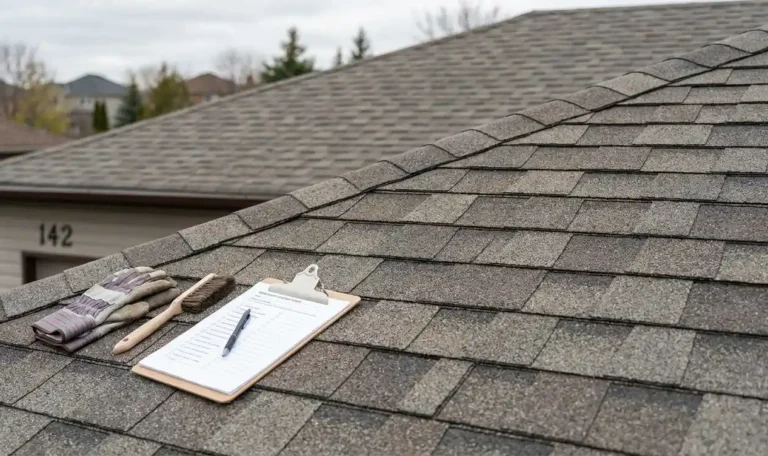
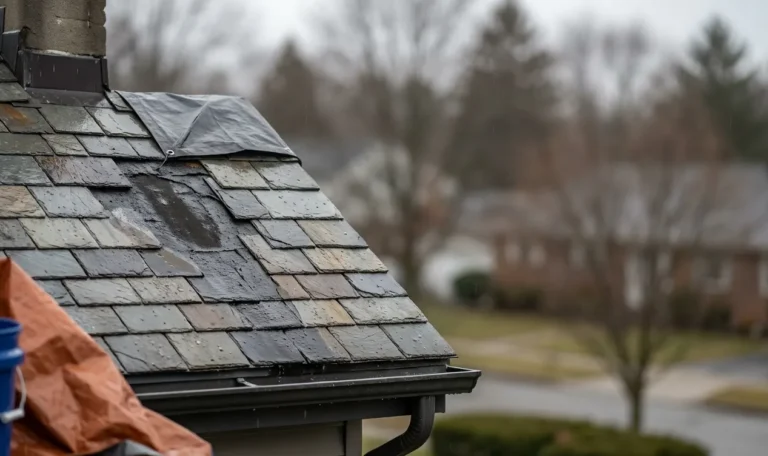
- Missing or Damaged Shingles: Thoroughly inspect your roof for missing, cracked, or curled shingles. These can be easily dislodged by strong winds or ice, leaving your roof vulnerable to water penetration.
- Granule Loss: Check your gutters and downspouts for an excessive buildup of granules from your asphalt shingles. This is a sign of weathering and may indicate that your roof is nearing the end of its lifespan.
- Sagging Roofline: A noticeable sag or unevenness in your roofline could signal structural damage, which can compromise your roof’s ability to shed water effectively.
- Attic Inspection: Take a look in your attic, especially after heavy rainfall. Look for signs of moisture, water stains, or daylight shining through.
Taking Action: What to Do When You Spot a Leak
If you suspect a roof leak, taking swift and decisive action is paramount:
- Contain the Leak: If possible, try to contain the leak by placing buckets or tarps under the affected area to catch dripping water and minimize interior damage.
- Document the Damage: Take photos or videos of the leak and any visible damage to provide evidence for your insurance claim, if applicable.
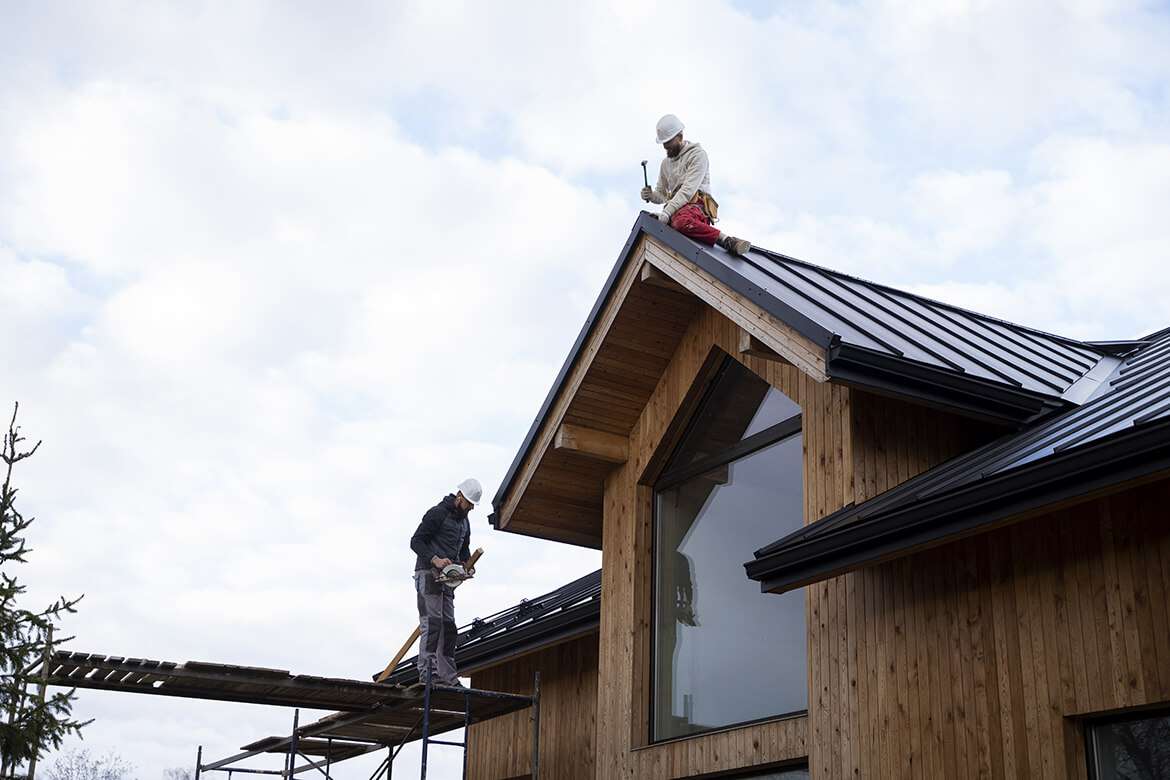
- Contact a Professional Roofer: Resist the urge to tackle roof repairs yourself. Roofing work can be dangerous and requires specialized knowledge and equipment. Contact a reputable roofing company like Metro Roofing for a thorough inspection and estimate.
- Professional Inspection and Repair: A qualified roofer will assess the damage, determine the cause of the leak, and recommend the most appropriate course of action. This may involve minor repairs, patching, or a complete roof replacement depending on the extent of the damage.
Preventing Future Leaks: Proactive Roof Maintenance
Taking preventive measures can help extend the lifespan of your roof and minimize the risk of leaks in the future:
- Regular Inspections: Schedule an annual roof inspection, preferably in the spring and fall, to identify and address any potential issues before they escalate.
- Clean Gutters and Downspouts: Keep your gutters and downspouts clear of debris to ensure proper water drainage and prevent ice dams.
- Trim Overhanging Branches: Trim tree branches that hang over your roof to prevent damage from falling debris and to reduce the risk of moss and algae growth.
- Proper Attic Ventilation: Ensure proper ventilation in your attic to prevent moisture buildup, which can contribute to rot and mold growth.
About Metro Roofing
Metro Roofing is a trusted name in the roofing industry, serving homeowners in the Ajax, Scarborough, Pickering, and Greater Toronto for over 35 years. We are a family-owned and operated business with a strong commitment to quality craftsmanship, superior materials, and exceptional customer service. Our team of certified roofers is dedicated to providing reliable and long-lasting roofing solutions to protect your home and your investment.
Contact us today for a free, no-obligation roof inspection and estimate.